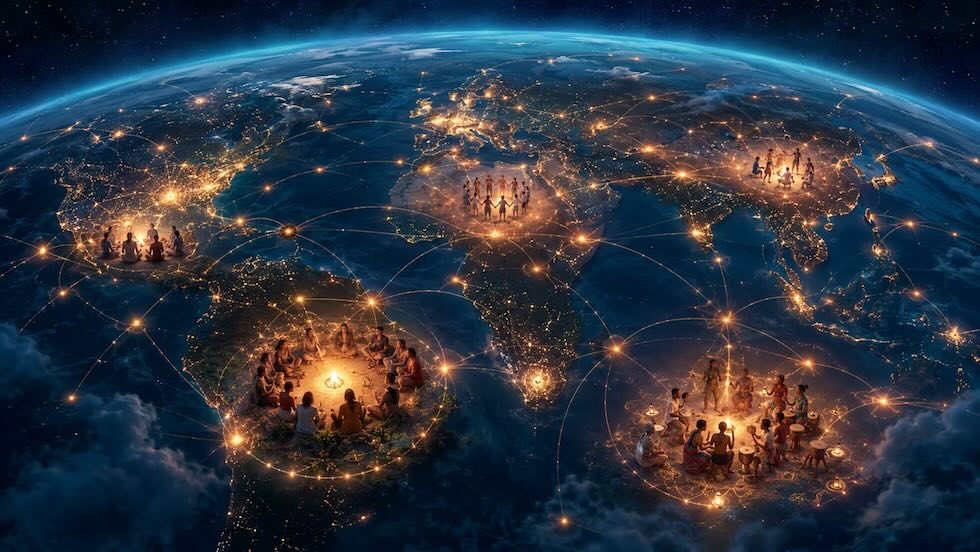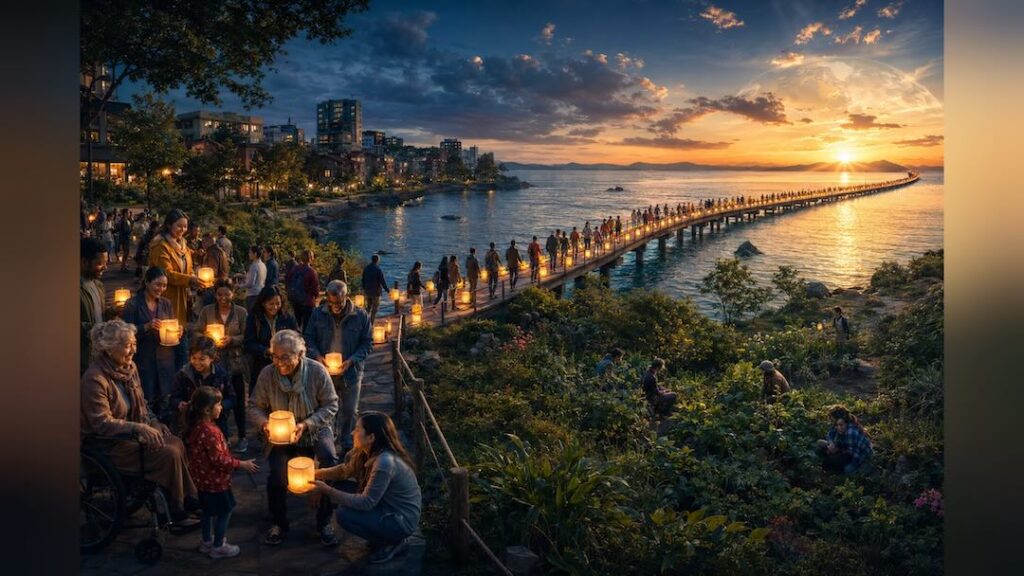
A 44-day journey from the streets of Minneapolis to a Global Pause for Peace
From the streets of Minneapolis to communities across the Earth, people understand something essential:
From the streets of Minneapolis to communities across the Earth, people understand something essential:
we are not powerless.
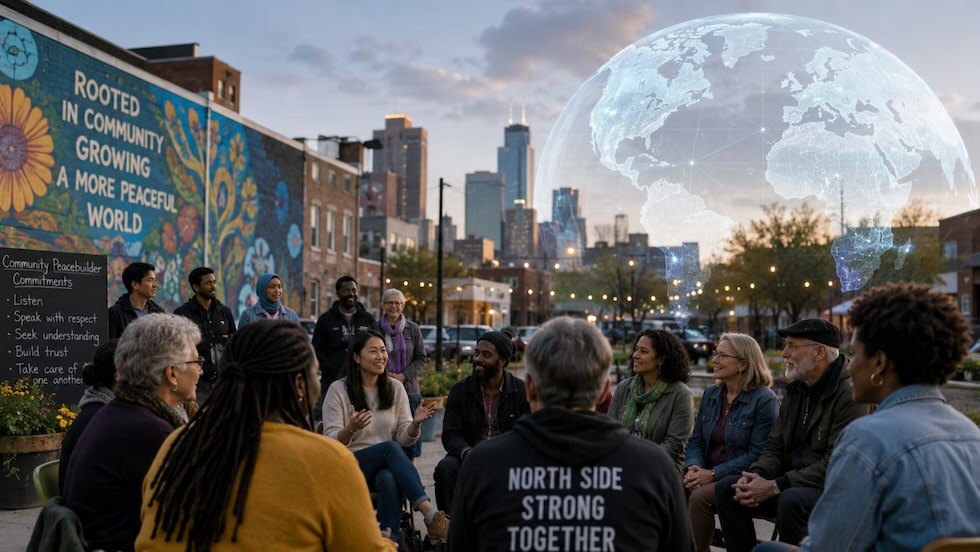
Our voices may be scattered. Our efforts may seem small. But when we bring them together around a clear and achievable purpose, we can help shape what becomes possible.
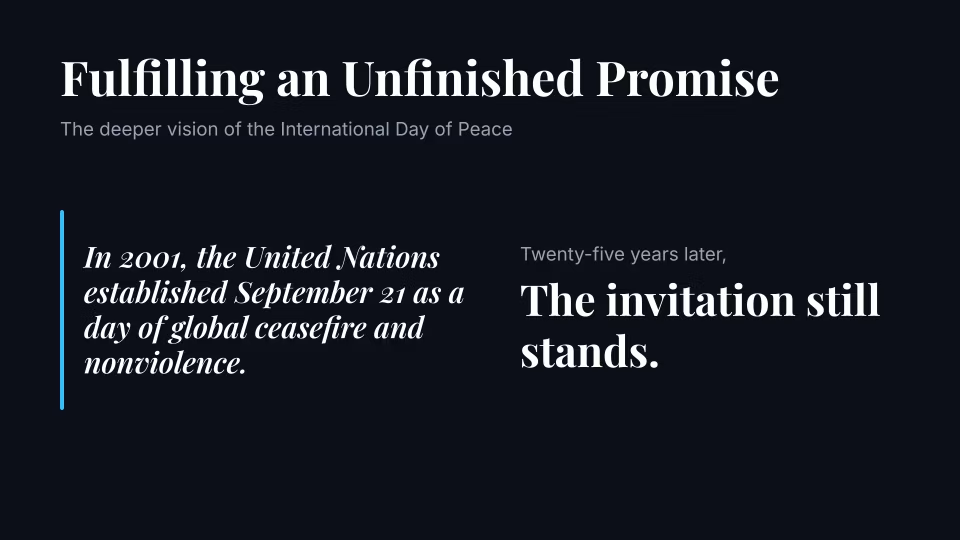
This is not a campaign of people against institutions. It is an invitation to strengthen them—to empower the United Nations to fulfill a promise made twenty-five years ago, when September 21 was established as the International Day of Peace and the world was called to observe a day of global ceasefire and nonviolence.
What if we helped make that promise real?
On August 8, the Global Peace Activation will invite people everywhere to declare:
I AM PEACE.
That moment begins a 44-day journey toward September 21—a shared playing field where communities, cities, peacebuilders, artists, young people, Indigenous leaders, faith traditions, diplomats, institutions, and ordinary citizens can act together.
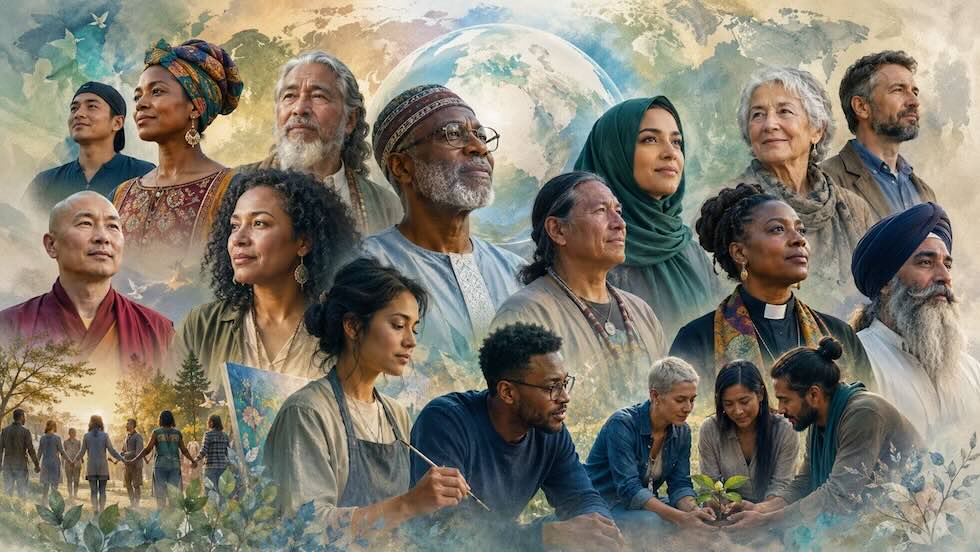
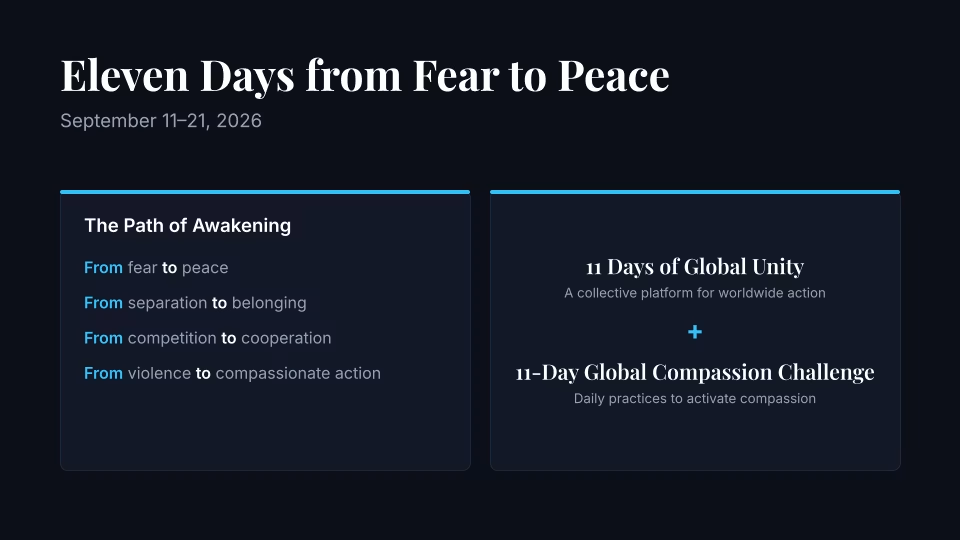
From September 11–21, the 11-Day Global Compassion Challenge and 11 Days of Global Unity will invite people to choose compassion over fear and cooperation over division.
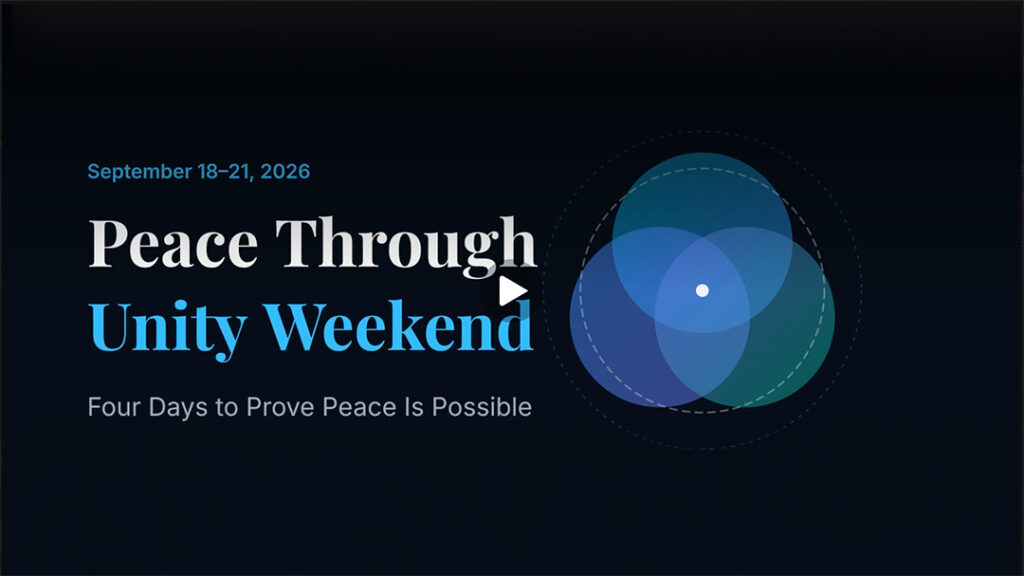
Then, during Peace Through Unity Weekend, September 18–21, we will:
Open the Way.
Come Together.
Live Peace.
Choose Peace.

The journey will culminate on September 21 with a simple, urgent invitation to every government, military, armed movement, and person with the authority to stop violence:
Pause for twenty-four hours.
One day when the wounded can be reached.
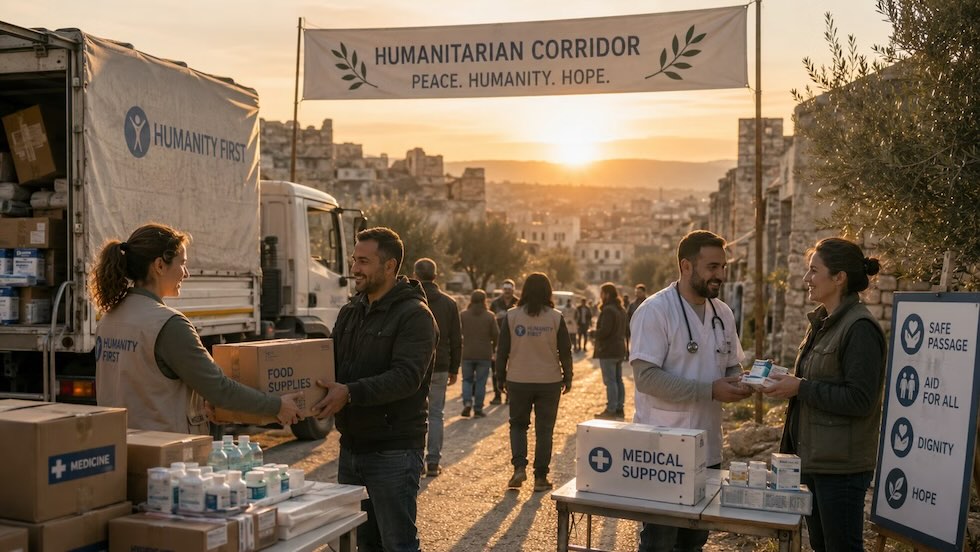
One day when food and medicine can move.
One day when families can reconnect, humanitarian workers can enter, and children can sleep without the sound of explosions.
One day will not end every war. But it could demonstrate that violence is not inevitable—that even amid conflict, another choice is possible.

Artificial intelligence now gives us unprecedented capacity to understand conflicts, identify openings for dialogue, find the people with influence, connect peace efforts, and bring greater collective intelligence to the work of ending violence.
But technology alone cannot create peace.
It requires human courage, human compassion, and human will.
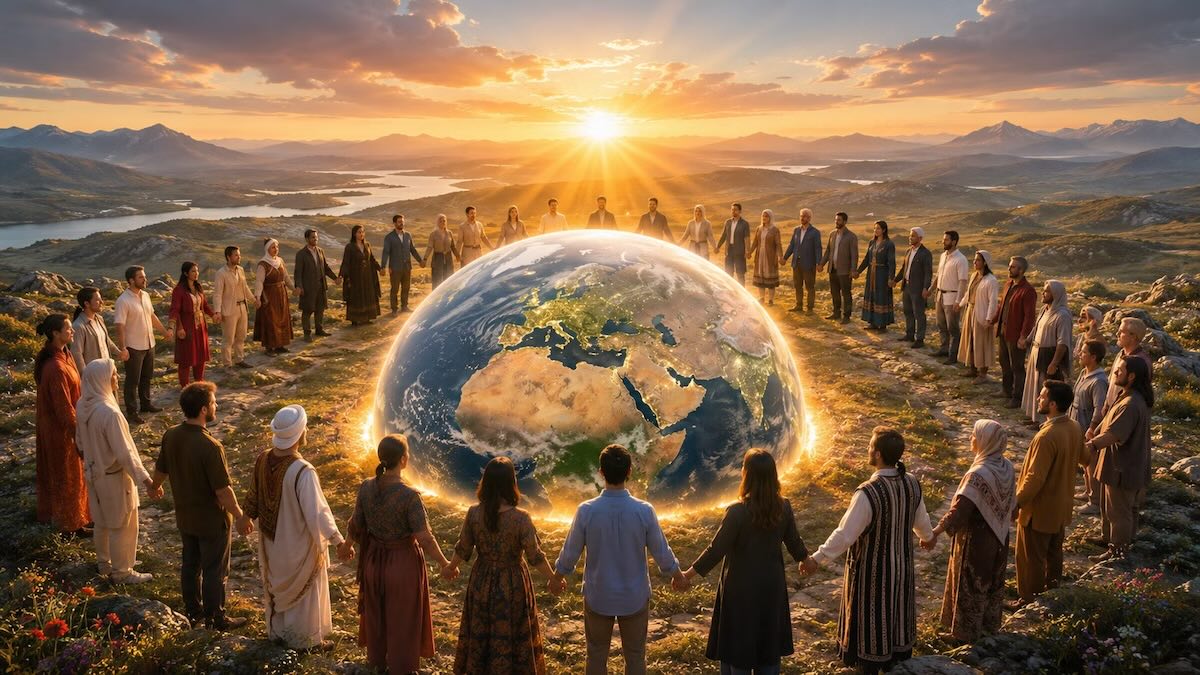
The people do have a voice. Institutions do have a role. Together, we can help turn an international aspiration into a living global demonstration.of humanity choosing peace.
From Minneapolis to the world, let us bring our voices, relationships, creativity, and intelligence together around one audacious question:
Can we prove that peace is possible?