What would happen if humanity stopped killing for one day?
Not as an aspiration or symbolic gesture, but as a measurable act of global cooperation:
a 24-hour pause in violence on September 21, the International Day of Peace.
Could one day save lives, open humanitarian corridors, reunite families and create space for dialogue?
Could it show us what becomes possible when humanity chooses cooperation over destruction?
Twenty-five years ago, the United Nations issued that invitation.
Now it is waiting for all of us to step forward.
A Promise to Humanity
In 1981, the United Nations established the International Day of Peace as an annual observance devoted to strengthening peace within and among all nations and peoples.
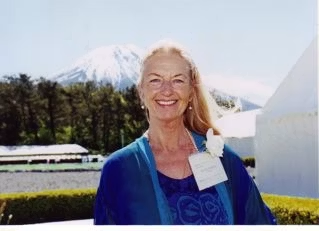
Peace leaders such as Avon Mattison, founder of Pathways to Peace, recognized that a declaration by governments could carry the promise only so far.
Working with the United Nations and civil society, she helped bring the International Day of Peace out of institutional chambers and into communities around the world.
Her message was quietly revolutionary:
Peace cannot be delivered to the people. It must be created with the people.

Nearly two decades later, Jeremy Gilley and Peace One Day helped build support for an even clearer commitment.
On September 7, 2001, the UN General Assembly unanimously established September 21 as a permanent annual day of global ceasefire and nonviolence.
Four days later, the attacks of September 11 changed the course of history.
At almost the same moment that humanity declared a day of ceasefire, the world entered a new era of fear, war and division.
The promise remained, but we had not yet developed the relationships and capacity needed to fulfill it.
That promise now returns with renewed urgency:
Can We, the Peoples, help humanity stop the killing for one day?
From Hiroshima and Nagasaki
Our journey begins with remembering what is at stake.

August 6 and 9 mark 81 years since the atomic bombings of Hiroshima and Nagasaki—events that revealed humanity’s capacity to destroy life on an unimaginable scale.
During Nuclear Prayer Days, August 5–9, people across cultures, faiths and nations will remember those who were killed, honor the survivors and renew the call for a world free from nuclear weapons.
From the ashes of that history emerged one of humanity’s most enduring prayers.
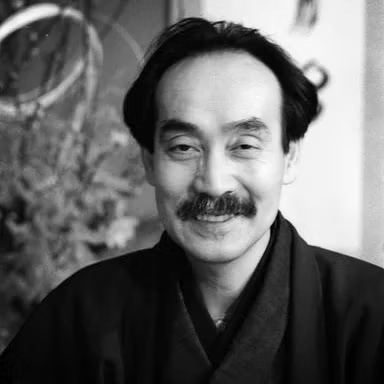
In 1955, Japanese spiritual teacher Masahisa Goi introduced the universal message:
May Peace Prevail on Earth.
Masami Saionji, the Goi Peace Foundation and May Peace Prevail on Earth International carried that prayer around the world.
Today, more than 200,000 Peace Poles offer the message in many languages, cultures and communities.
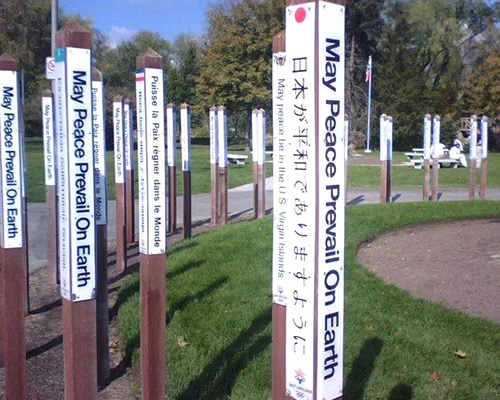
This August, that prayer will travel from Japan to Minneapolis—from cities marked by profound suffering to communities choosing healing.
Being Minneapolis
On August 8 and 9, people will gather for Being Minneapolis: Healing Our City, Healing Our World.
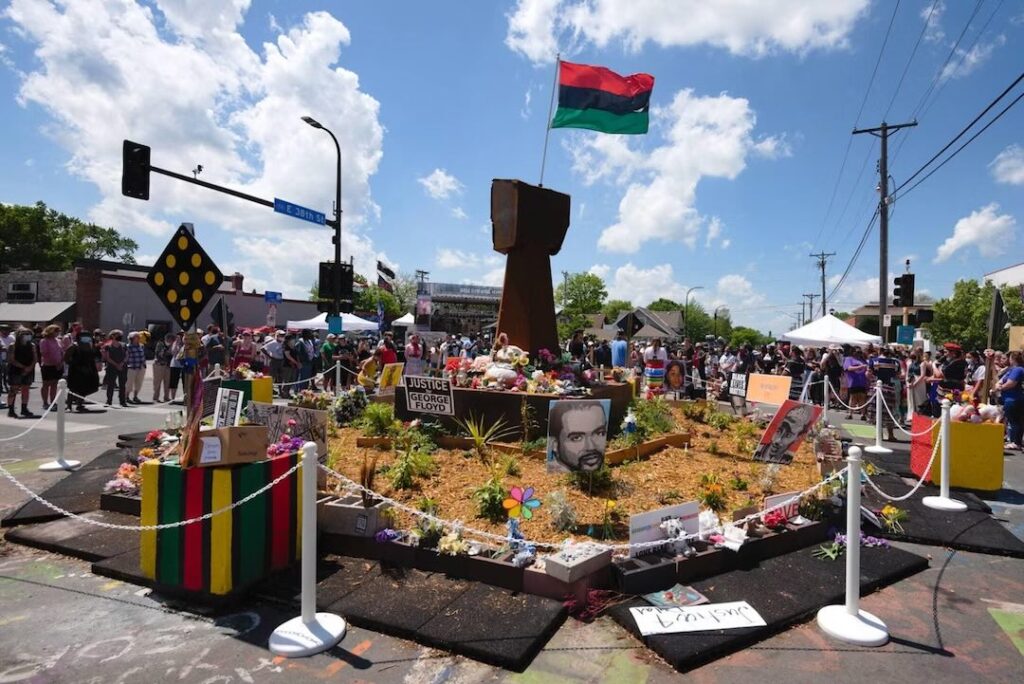
Minneapolis is known around the world as the city where George Floyd was killed. But that is not the end of its story.
In the face of profound pain, neighbors, healers, artists, faith leaders and community organizers cared for one another.
They protected neighborhoods, fed families, created spaces for healing and began building a community-wide system of care.
Their message reaches far beyond Minneapolis:
We are wounded, but we are not powerless. We can heal our cities and, together, help heal our world.
On August 8, participants will walk together to George Floyd Square, meet local leaders and visit community projects helping transform the city from the ground up.
A Peace Pole will be gifted as an enduring declaration:
May Peace Prevail on Earth.

The prayer born from the devastation of war will take root in a city healing the wounds of racial violence. The Peace Pole will stand as both a blessing and a commitment—a reminder that peace must be planted in actual places, nurtured by real people and expressed through how we live together.

On August 9, the weekend will continue with the seventh annual BLACKSoNDAY, hosted by Dr. Marty K. Casey and the UnGUN Institute.
Through community, reflection, music and healing, the gathering will remember Black lives ended too soon and renew a shared commitment to equal treatment for all.
It brings a vital understanding to the weekend:
lasting peace requires us to heal the trauma from which violence grows.
Minneapolis is also home to the continuing legacy of Pathways to Peace. It is profoundly fitting that the place where Avon Mattison’s work continues should become a starting point for this next chapter.
From Remembrance to Activation
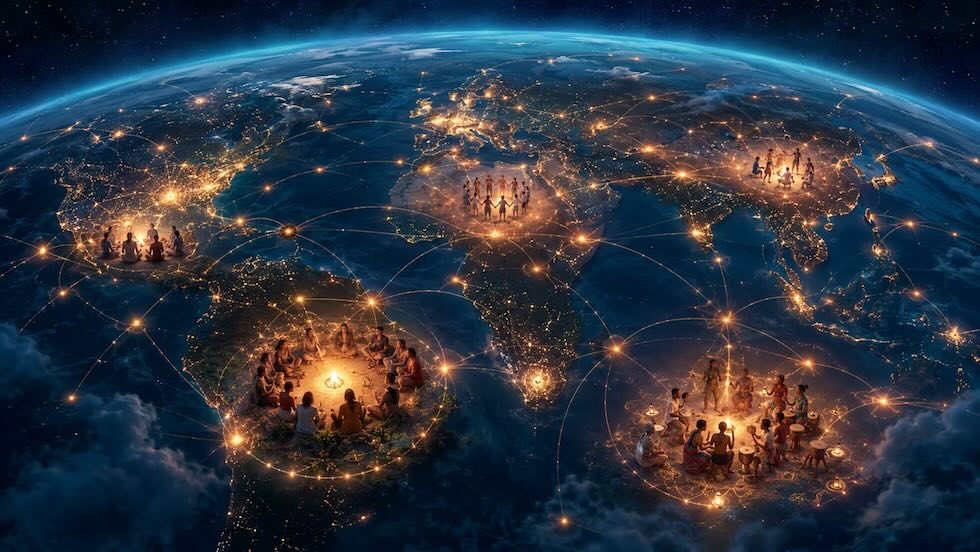
Being Minneapolis will also join the August 8 Global Peace Activation, a 24-hour synchronization of ceremonies, meditations, music, community gatherings and acts of peace.
People everywhere are invited to become peace nodes and declare:
I Am Peace.
This is where remembrance becomes activation.
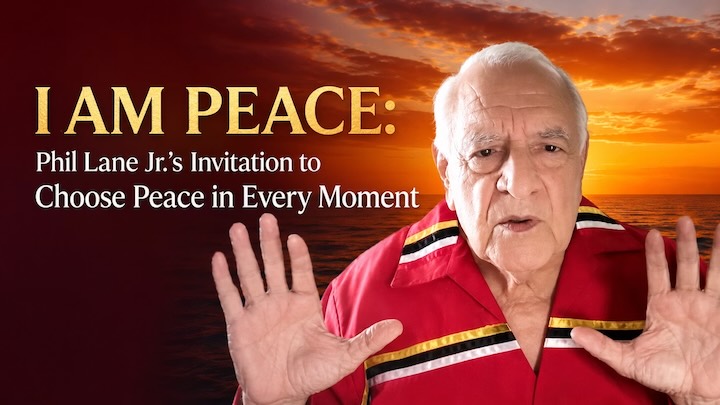
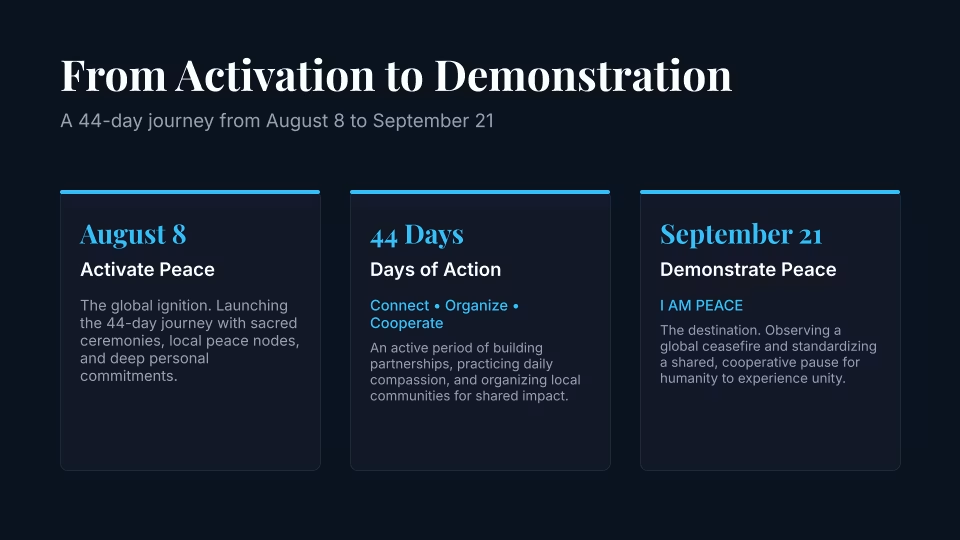
We remember Hiroshima and Nagasaki. We plant peace in Minneapolis. We connect with people around the world. And we begin a 44-day journey toward September 21.
This journey carries forward decades of work.
Following the trauma of September 11, We, The World created the 11 Days of Global Unity, transforming September 11–21 into an annual journey from fear toward peace, justice, sustainability and unity.
In 2012, Compassion Games: Survival of the Kindest gave people a way to play that journey together.
Compassion Games transforms competition into co-opetition—a cooperative challenge in which we inspire one another to act, share what we accomplish and pursue a collective win.
This year, these streams are converging again.
From September 11–21, the 11-Day Global Compassion Challenge will invite people, communities and organizations to choose compassion, take meaningful action and report what they do.


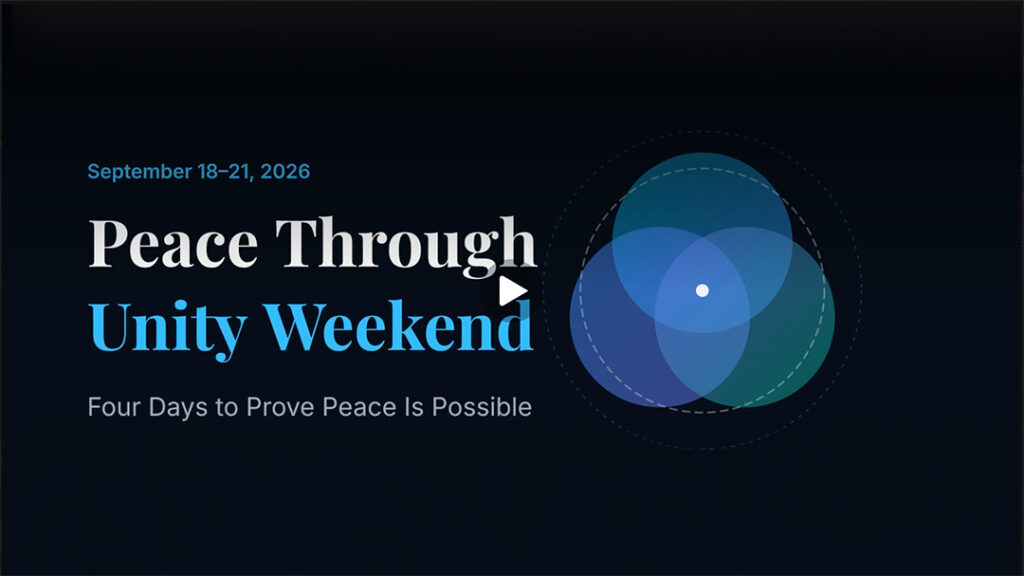
The final four days become Peace Through Unity Weekend, September 18–21:
- Open the Way
- Come Together
- Live Peace
- Choose Peace
The journey culminates on September 21 with a Global Pause—an invitation to cease the violence, protect children and civilians, deliver food and medicine, tend to the wounded and create space for dialogue.
Intelligence in Service to Life
A new team of teams called AI for Peace is joining this Compassion Game.
AI does not care whether humanity makes war or peace.
We do.

Artificial intelligence should not replace peacebuilders, override communities or make decisions about people from a distance. It should strengthen human agency and deepen our shared capacity to prevent violence, resolve conflict and sustain peace.
AI for Peace invites frontier AI labs into a new kind of race:
a co-opetition in which they continue developing their distinctive capabilities while cooperating with peacebuilders and communities affected by violence.
Together, we can ask:
Where is peace already trying to happen?
Who is making it possible?
What do they need?
How can the rest of us help?
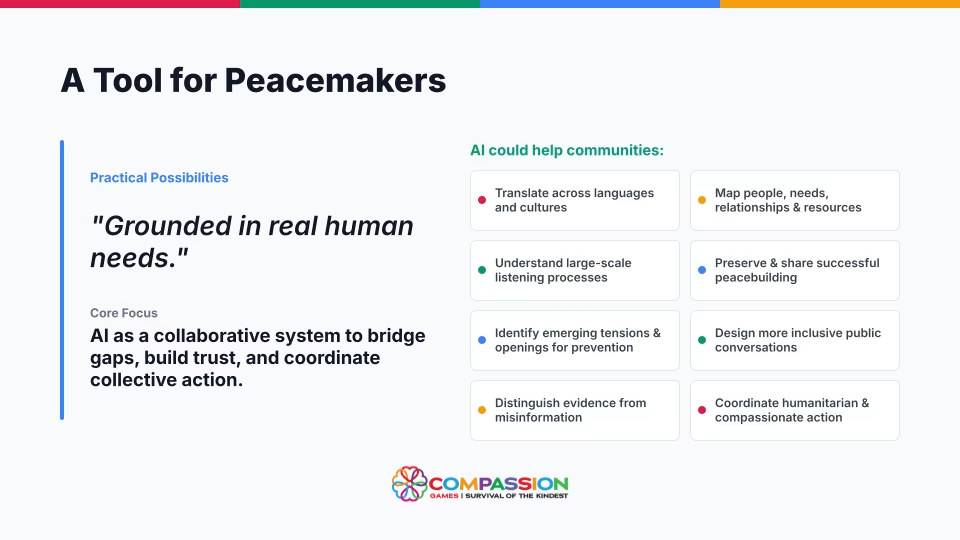
AI can help humanity listen across languages, connect local knowledge, identify openings for ceasefires and direct attention and resources toward people already doing the work.
But people—and the protection of life—must remain at the center.
The prize is not technological dominance.
The prize is a future in which intelligence serves life.
We Are the Bridge
This is not a claim that one day will end every war.
It is a disciplined and measurable beginning.
If we can interrupt violence for one day, we can learn what made that interruption possible.
We can strengthen the relationships, agreements and systems that supported it.
One day can become two. A pause can become an opening. An opening can become a pathway.
The United Nations made a promise.

Peacebuilders kept that promise alive.
Avon Mattison and Pathways to Peace helped place it in the hands of the people.
Jeremy Gilley and Peace One Day helped make it measurable.
Minneapolis demonstrates that wounded communities can become places of healing.
We, The World created an 11-day journey from fear to peace.
Compassion Games gave us a way to play.
Hiroshima and Nagasaki remind us why we must act.
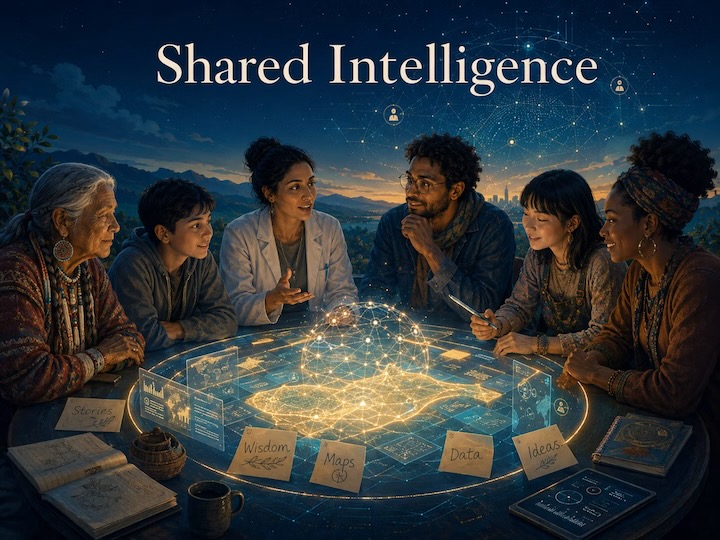
AI for Peace invites us to bring our different forms of intelligence together in service to life.
These are not separate stories. They are one unfolding invitation.
On August 8, we activate peace.
For 44 days, we practice it.
On September 21, we come together to demonstrate it.
May Peace Prevail on Earth.
I Am Peace.
We are the bridge.